Six smart bikes and six turbo trainers, ranked by who they suit. Prices are UK guide prices from manufacturers and UK retailers at the end of October 2026.
Updated 2 November 2026
We earn a commission if you buy through links on this page, at no extra cost to you. As an Amazon Associate we earn from qualifying purchases. Prices are UK guide prices checked on 2 November 2026; they change often, so check the retailer before you buy. How we choose products.
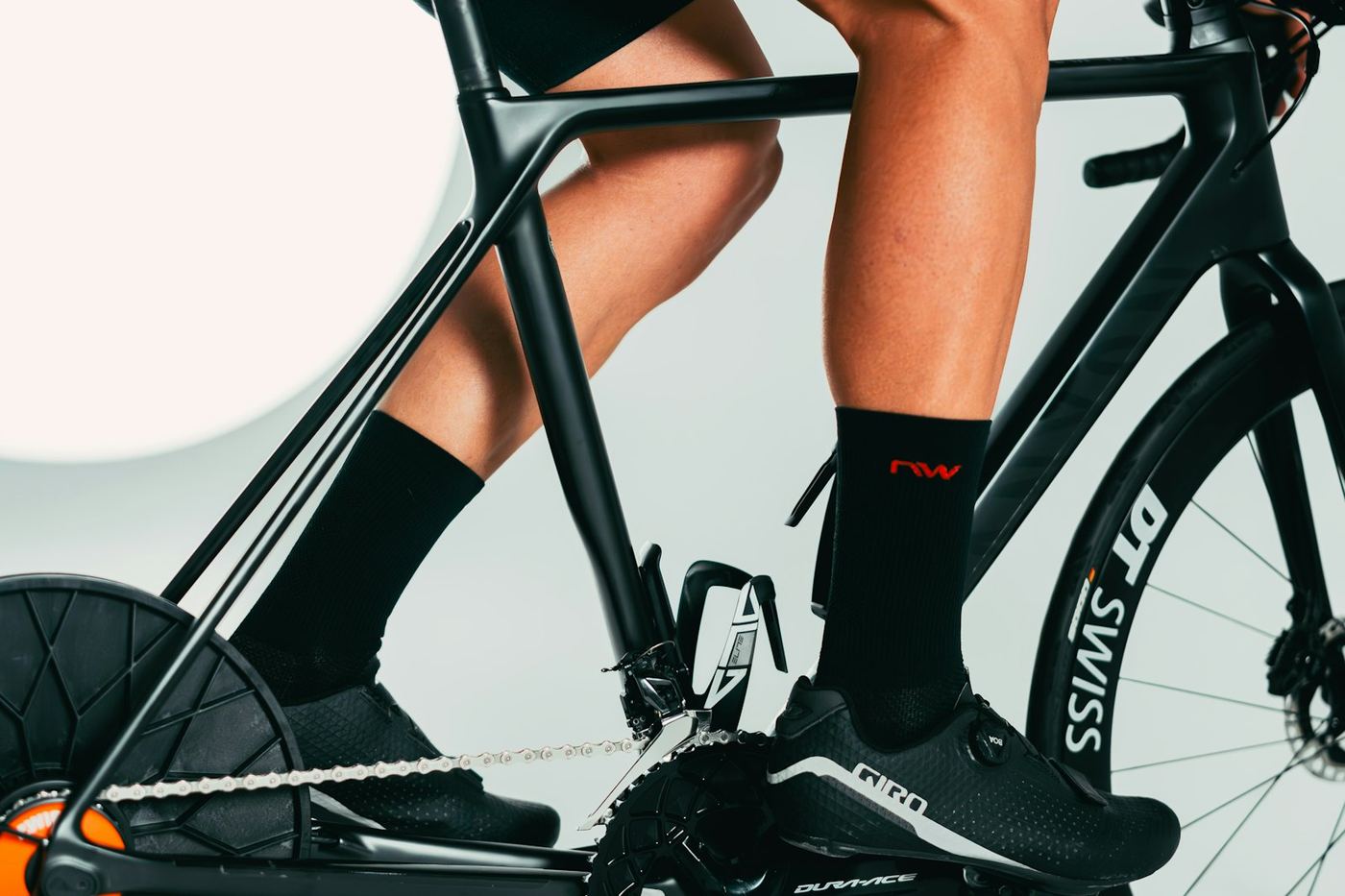
Zwift's smart frame sits on a Kickr Core 2 trainer, which does the measuring and resistance. The V2, launched in September 2026, added adjustable cranks, more saddle setback and a smaller frame at the same price. It is by far the cheapest way to get a smart bike, and since Zwift bought Rouvy the controls also work in Rouvy.
Pros
Half the price of most smart bikes
Built-in Zwift controls and virtual shifting
Light and easy to move
The trainer can be used with a normal bike later
Cons
Controls designed for Zwift; other apps need workarounds
Button feel is not as good as dedicated shifters
Max resistance and gradient lower than premium bikes
The British-made Proton is designed to be shared. Its step-through frame and tool-free adjusters suit riders from 4ft 6in to 6ft 6in, and the free Wattbike Hub app includes hundreds of workouts and training plans without a subscription. It connects to Zwift and other apps over Bluetooth and ANT+.
The Atom is the more serious Wattbike: higher resistance, tighter accuracy and an almost silent drive. Cyclingnews found it smooth and quiet, but noted resistance takes a few seconds to come back if you stop pedalling mid-workout in ERG mode.
The Shift drops the Kickr Bike Pro's tilting and keeps the things most riders use: quick fit adjustment, adjustable cranks, shifters that mimic Shimano, SRAM or Campagnolo, and tight integration with Wahoo's apps. It is also quieter than the Pro.
The only smart bike here that physically tilts up for climbs and down for descents. Wahoo's 2025 update added redesigned shifters with steering buttons, a Fizik saddle and Wi-Fi with Race Mode for faster data. Cyclingnews rates it the best smart bike overall.
Garmin's smart bike simulates a 125kg flywheel, so sprints and surges feel very real. Built-in fans, a gear display, two USB ports and a tablet holder are included, and it can run off your own pedalling if it's not plugged in.
Every trainer below is direct drive: you remove the rear wheel and fit the bike to the trainer. Check your axle (quick release, 12×142mm or 12×148mm Boost) and cassette before ordering.
Van Rysel D100 with Zwift Cog and Click
Best budget
£279.99 at Decathlon
600W max
6% gradient
±5% power
10.5kg
The cheapest sensible direct-drive trainer. Fine for steady endurance rides and easy intervals, but the 600W ceiling and 6% gradient limit sprinting, steep virtual climbs and racing.
BikeRadar's best overall smart trainer. On paper it matches the Kickr Core 2 for £100 less, and testers found the power data and ride feel convincing. One quirk: power smoothing is always on, so your graphs look tidier than your effort.
The default recommendation for most riders. It's widely stocked, works with every app, and testers at Cyclingnews and BikeRadar found its power credible and ride feel polished. Available with an 11-speed cassette or Zwift Cog and Click.
The step up for riders who race on Zwift or do lots of threshold work. Tighter accuracy, a higher ceiling and some side-to-side movement through its feet.
A specialist trainer for people who train indoors a lot. Swappable Flex Feet let you choose how much it moves, and a wired Ethernet option removes dropouts.
The Neo 3M simulates cobbles and gravel and moves in several directions. BikeRadar praised its accuracy and ERG behaviour but questioned the price, and most riders won't feel enough extra to justify it.